

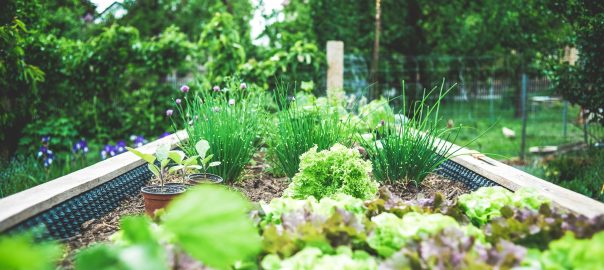
Gardening is a rewarding hobby, but there’s nothing more frustrating than seeing your carefully tended vegetables fall victim to pests.
From slugs and aphids to birds and rabbits, a variety of creatures are eager to make a meal of your harvest.
Fortunately, with the right strategies, you can protect your vegetables while keeping your garden healthy and vibrant.
1. Choose Resistant Varieties
One of the simplest ways to minimise pest problems is to select vegetable varieties that are naturally resistant to common garden pests.
Many seed suppliers label varieties that resist diseases or insect attacks.
For example, certain tomato varieties are bred to resist blight, while cabbage and broccoli can be grown in pest-resistant cultivars to deter cabbage moths.
2. Maintain Healthy Soil
Healthy soil produces strong plants that are less attractive to pests. Incorporate compost, well-rotted manure, or organic fertilisers to enrich the soil.
Avoid over-fertilising with nitrogen, as this can encourage lush growth that attracts aphids and caterpillars.
Crop rotation is also vital; planting different families of vegetables each season prevents pests from becoming established.
3. Use Physical Barriers
Barriers are an effective, chemical-free way to keep pests at bay:
-
Netting and mesh – Protect fruiting plants like strawberries or brassicas from birds and caterpillars.
-
Row covers – Lightweight covers prevent insects like cabbage white butterflies from reaching your crops.
-
Collars and traps – Copper collars around the base of plants deter slugs, while beer traps or shallow dishes can help reduce their numbers.
4. Encourage Beneficial Insects
Not all insects are bad. Ladybirds, lacewings, and parasitic wasps prey on aphids, caterpillars, and other harmful pests.
By planting flowers such as marigolds, nasturtiums, and calendula near your vegetables, you attract these natural allies. Creating a diverse garden ecosystem reduces the need for chemical interventions.
5. Handpicking and Regular Inspection
Sometimes, the simplest methods are the most effective. Inspect your plants regularly, especially the undersides of leaves, for signs of pests.
Handpicking larger pests like caterpillars or slugs can make a noticeable difference. Early detection prevents infestations from spreading.
6. Organic Sprays and Homemade Remedies
If pests persist, consider natural treatments:
-
Neem oil – A broad-spectrum organic insecticide that is safe for most vegetables.
-
Soap sprays – A mixture of mild soap and water can control aphids and whiteflies.
-
Garlic or chilli sprays – These act as natural repellents for various insects.
7. Maintain Garden Hygiene
Pests thrive in neglected gardens. Remove weeds, fallen leaves, and rotting produce promptly, as they can harbour insects and fungal diseases.
Compost infected plant material separately, and sanitise tools regularly to prevent spreading pests from one area to another.
8. Companion Planting
Certain plants naturally repel pests from others. For example, planting basil near tomatoes can deter whiteflies, while onions planted next to carrots help reduce carrot fly infestations.
Strategically combining plants not only protects your crops but also improves biodiversity and soil health.
9. Monitor and Adapt
Pest control is an ongoing process. Keep a garden journal to track which pests appear at different times of the year and which strategies work best.
Over time, you’ll develop a tailored approach that keeps your vegetable garden flourishing without relying heavily on chemical pesticides.
By combining preventative measures, natural allies, and vigilant care, you can enjoy a bountiful, pest-free vegetable garden.
A proactive approach not only protects your crops but also promotes a healthier, more sustainable garden environment.


